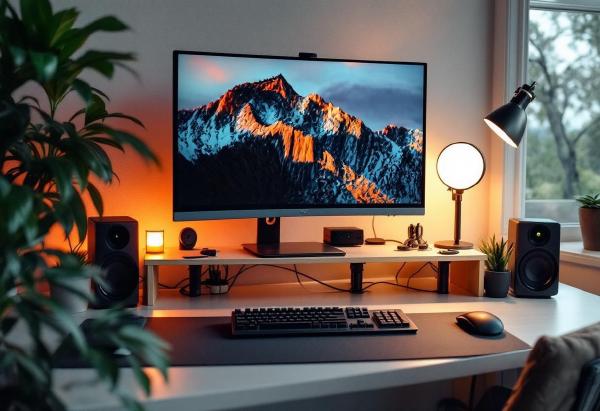
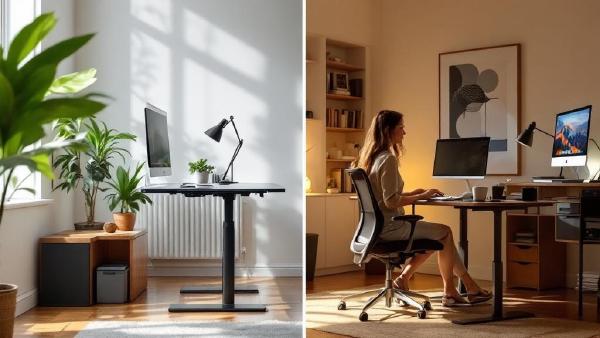
The Ultimate Ergonomic Desk Setup Checklist: Your Guide to Workplace Wellness # Poor desk ergonomics affect millions of remote workers, causing back pain, neck strain, and decreased productivity. Whether you’re setting up a new home office or optimizing your existing workspace, this comprehensive checklist will help you create an ergonomically sound environment that supports your health and enhances your performance.
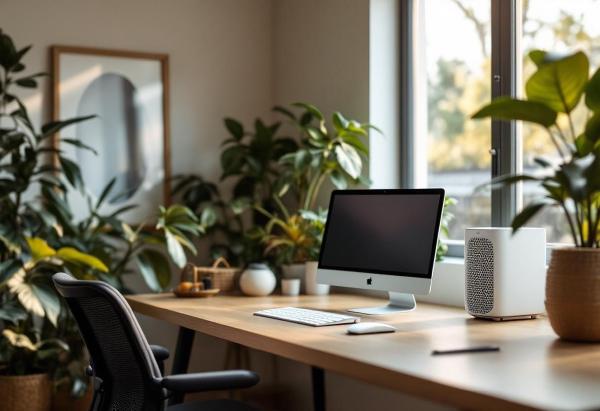
Air quality in a home office is one of those things you don’t notice until it’s bad. Stuffy rooms, dust particles floating through afternoon sunlight, lingering cooking smells drifting in from the kitchen — they all chip away at concentration without you realising it. Studies consistently link poor indoor air quality to reduced cognitive function, and a home office with a closed door and limited ventilation is a prime candidate.
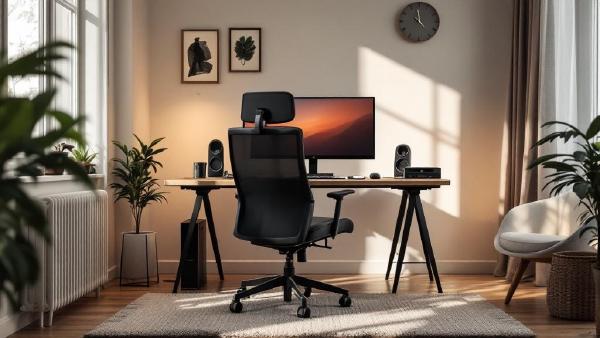
Bad posture is the home office epidemic nobody talks about enough. When you worked in an office, you at least had a purpose-built chair and a desk at the right height. At home, you might be hunched over a laptop on the kitchen table — and your body is keeping score.
The good news: you don’t need to spend thousands to fix your posture. Most improvements come from adjusting what you already have, building a few habits, and adding one or two key products. This guide covers everything that actually works, based on ergonomic research and real-world home office experience.
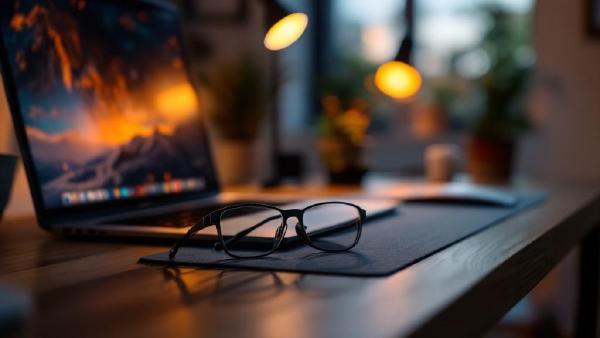
If you spend 8+ hours staring at monitors, you’ve probably felt it: the dry eyes, the dull headache behind your temples, the difficulty focusing by late afternoon. Blue light glasses filter the high-energy visible (HEV) light that screens emit, reducing strain and potentially improving sleep quality when you work late.
The science is nuanced — blue light glasses won’t cure eye strain caused by poor posture or insufficient lighting (fix your desk lamp first). But for screen-heavy workers, a good pair noticeably reduces fatigue. Here are seven pairs worth wearing.
Introduction # Here’s a number that should make you uncomfortable: the World Health Organization estimates that physical inactivity contributes to roughly 3.2 million deaths globally every year. And for those of us who work desk jobs — which is a growing majority of the workforce — a huge portion of that inactivity happens while we’re “at work,” sitting in the same position for eight, ten, sometimes twelve hours a day.